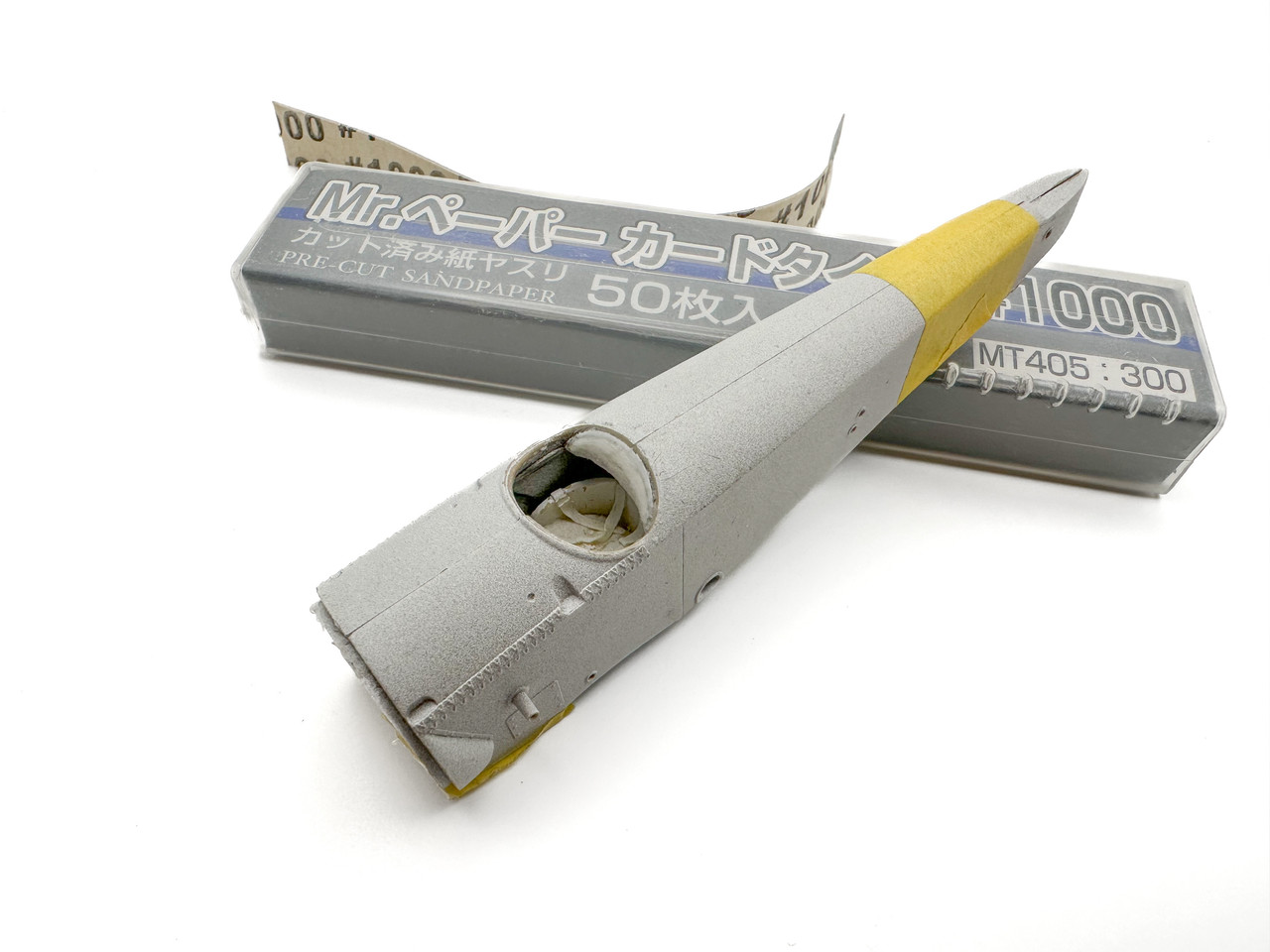
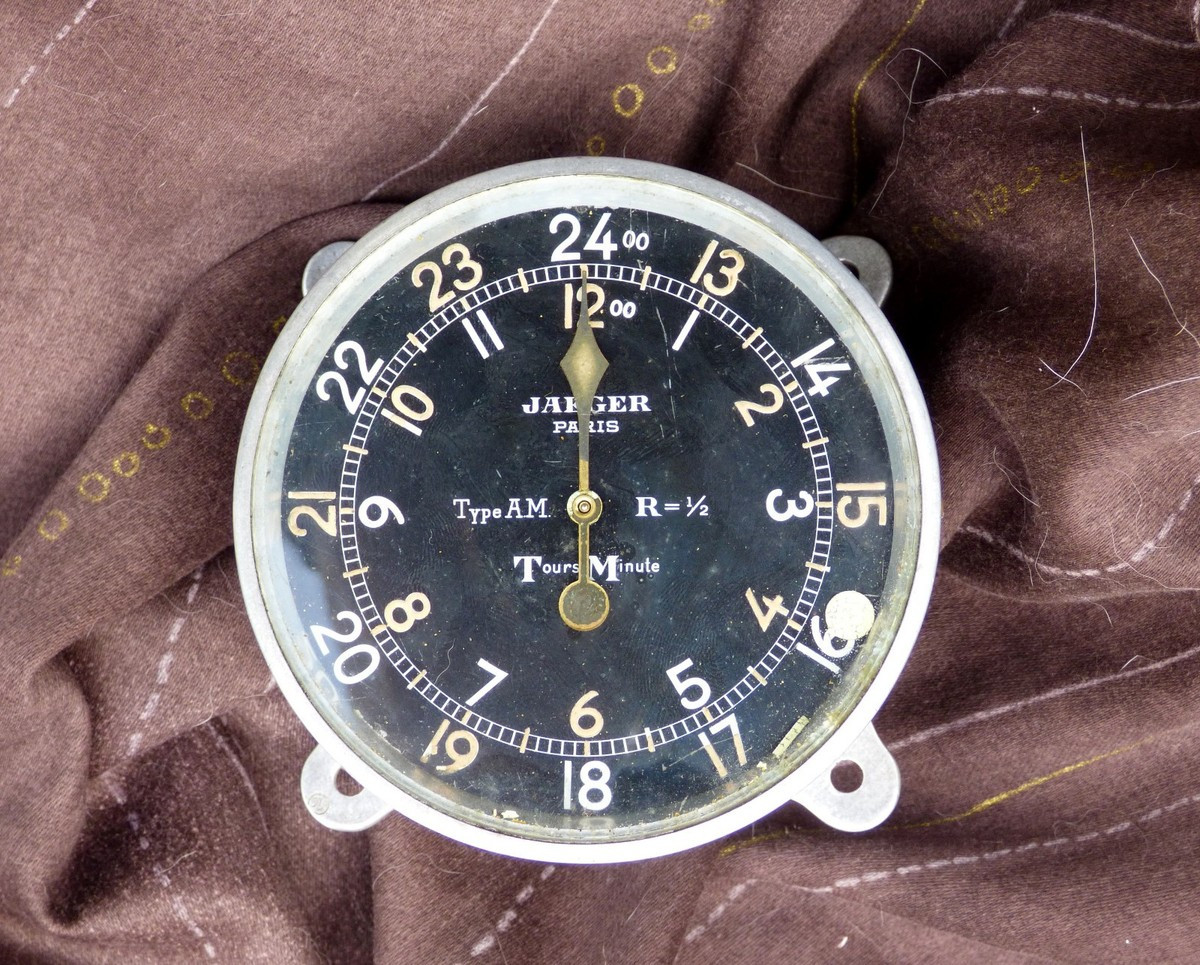
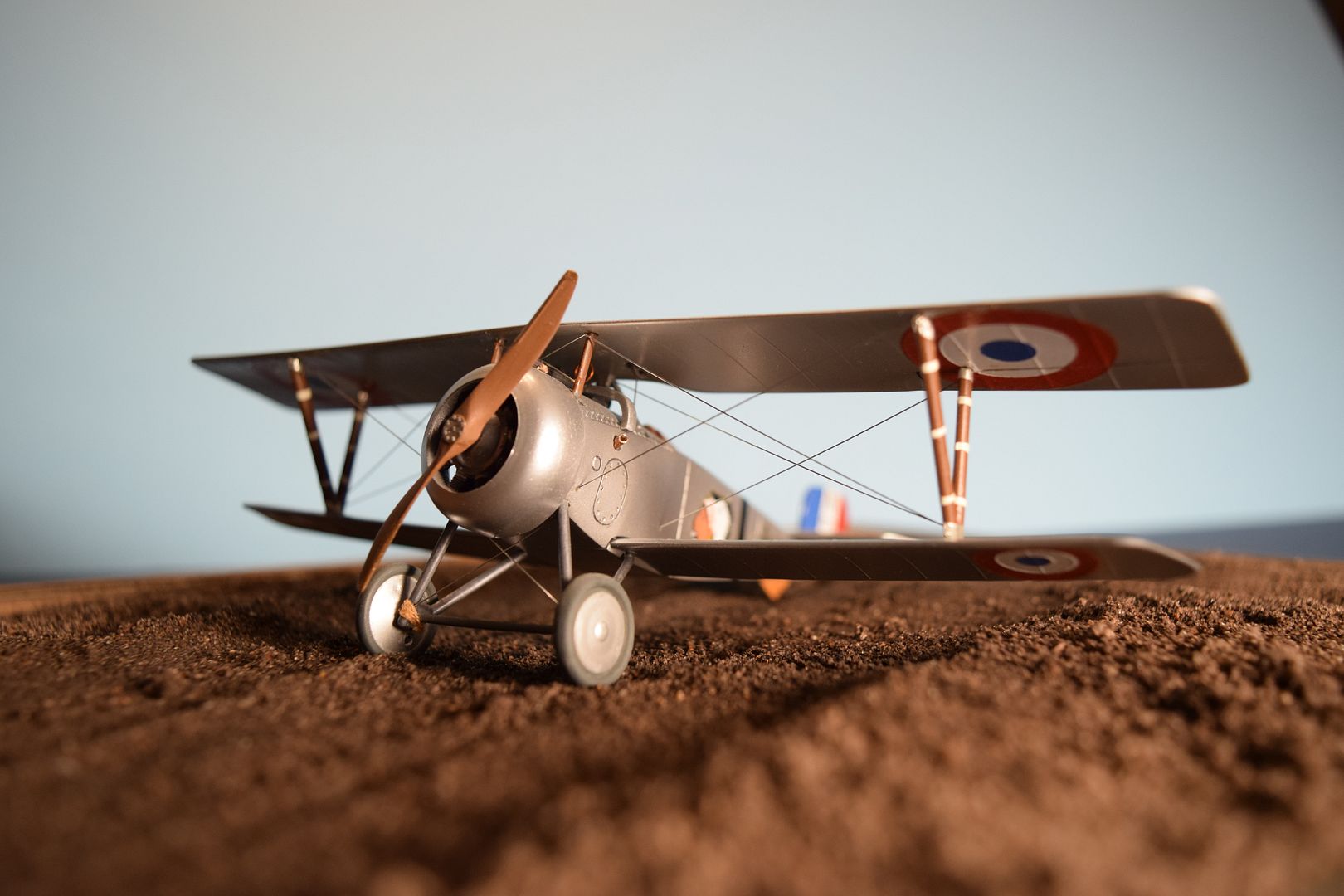
Yes. And this is literally the “Baby,” or “Bebe,” so it’s smaller than average. The combination of delicate parts and my zealousness to return to building has led me to do some rebuilding, mainly of cockpit parts. We live in a time where information on even the older generations of aircraft design is readily available online it adds a certain amount of “dialogue” between what the original designer simplified in the cockpit area and the actual cockpit area. As far as I know there never was an instrument panel only two hanging gauges left and right to indicate engine oil level (left) and tachometer (right). I’ll be getting to those components this week, time permitting. Thanks for following!
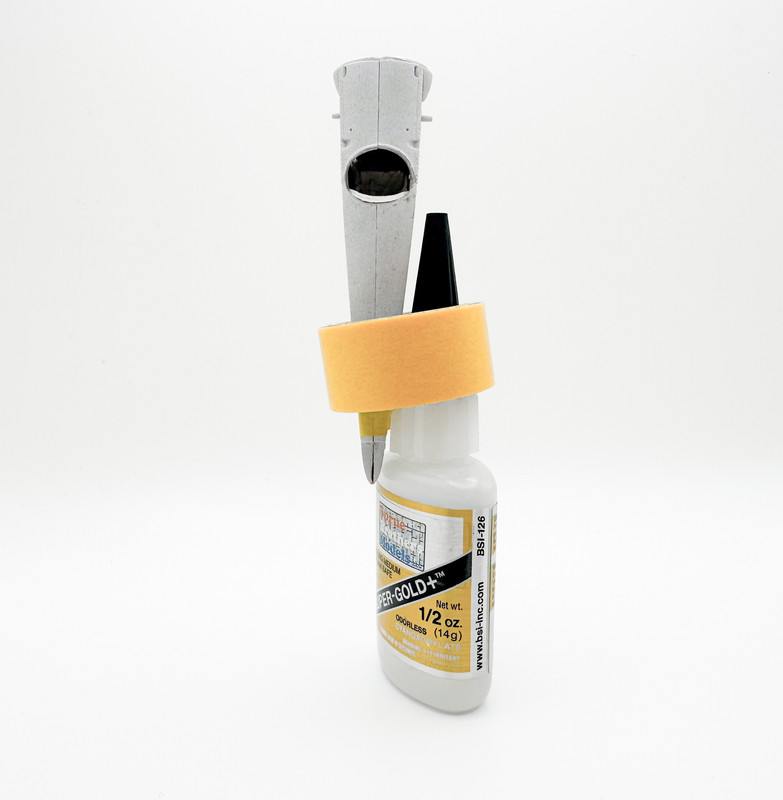
I added a pair of seat back supports made of brass pieces inside the cockpit. I also had to slightly clean up where I’ve glued and removed the kit part which serves as the throttle and support. One aspect of the modeling journey is to somehow keep each kit surface as clean as possible during the building process; the more times we work an area the more likely the area is to pick up dirt, dings and scrapes. Or in my case, softened matte areas from cement. I know I prefer gloss plastic over matte surface for building models. Paint and glue flow better (at least the types of lacquers, enamels and solvents I use).
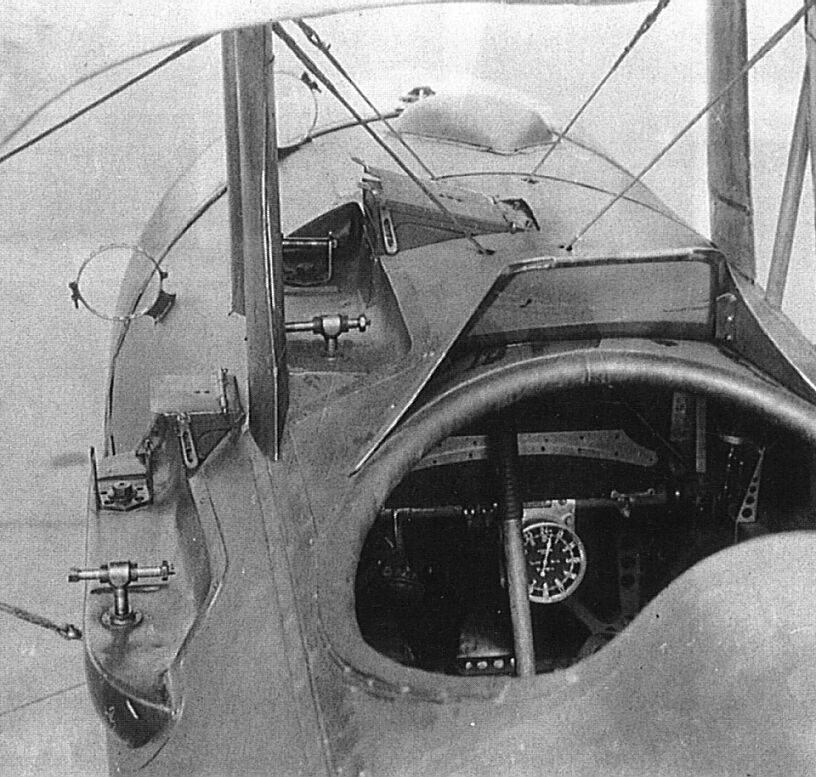
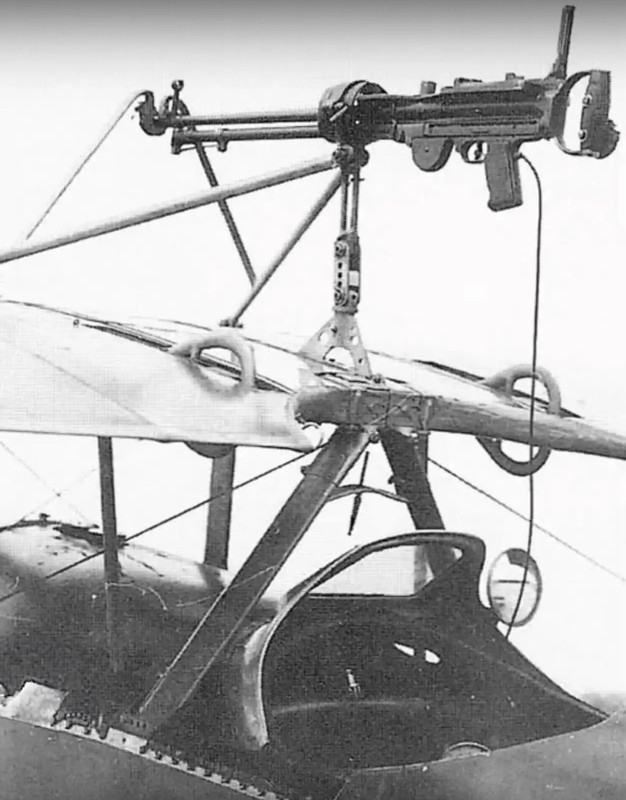
Bruce, I want to say that the cockpit photo above is from a Nieuport 28. It has the mounting troughs for two machine guns, one on the left side of the fuselage, and on the upper left of the cowling, although neither gun is installed in this photo. The Bebe had its gun mounted over the top wing to clear the propeller arc.
"Surely I have made my meaning plain? I intend to avenge myself upon you, Admiral. I have deprived your ship of power, and when I swing 'round, I intend to deprive you of your life."
An original autochrome photo of a Nieuport 23 for your viewing pleasure
"Surely I have made my meaning plain? I intend to avenge myself upon you, Admiral. I have deprived your ship of power, and when I swing 'round, I intend to deprive you of your life."
You’re absolutely right, Carlos. I posted a different aircraft without clarification; it was the layout of cockpit gauges I was thinking about, which in that period of design maintained many similarities.
Here is a period cockpit photo of the Nieuport 11. The Jaeger Le Coultre tachometer is partly visible which is why I want to include it in the same right side position. There’s also a bar or cross brace of considerable diameter which I think may be part of the structural support for the gun mount. I’m by no means an engineer but I think that the cross brace was bent upwards to prevent it from contact with the pilot.
Absolutely, Gary! A pilot is completely open, vulnerable to the elements, pulling a string to fire a weapon over head while buffeted by the atmosphere. I cannot imagine what a dogfight would have been like. What your comments do remind me of is that the code of valor was so simple and strong that these pilots considered air combat a form of knighthood, skybound, jousting their aerial opponents, with a sense of national pride instilled by propaganda and social values.