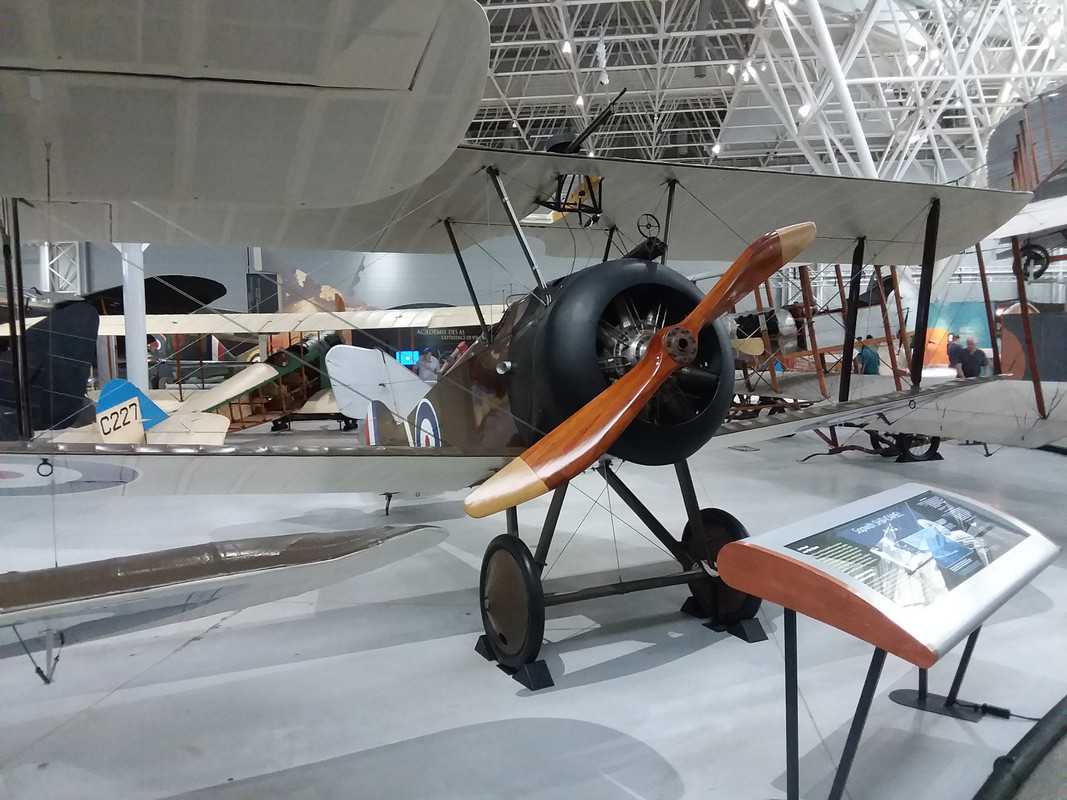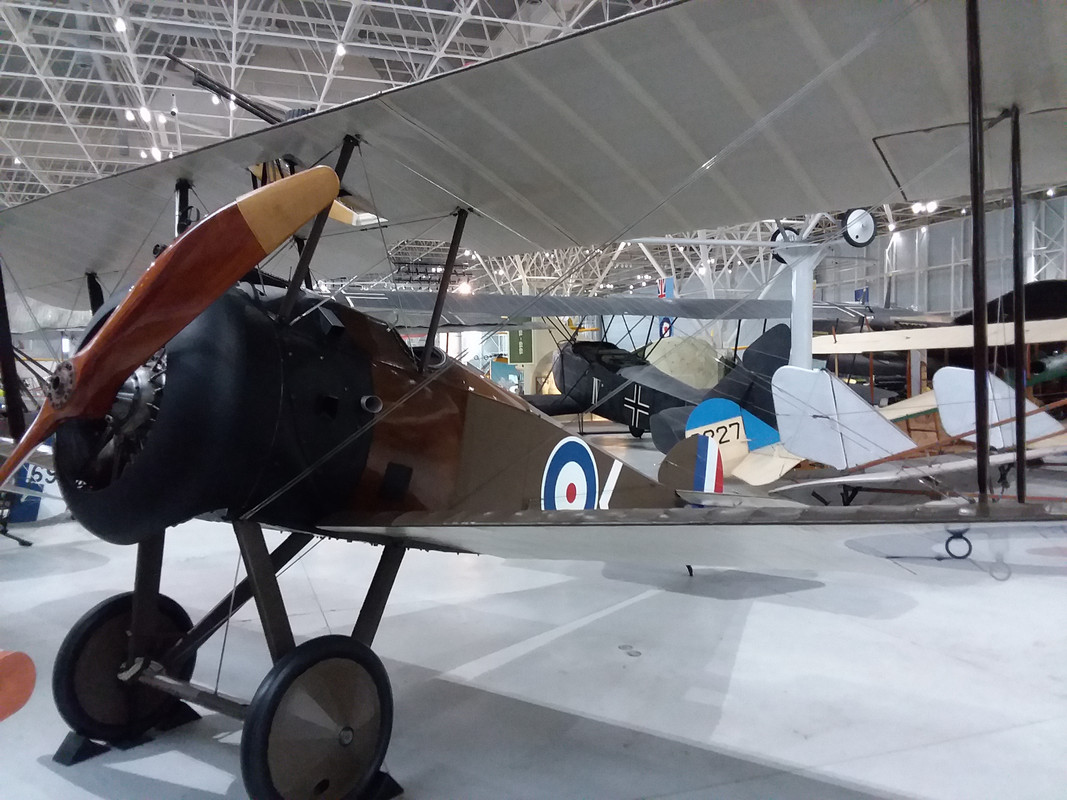
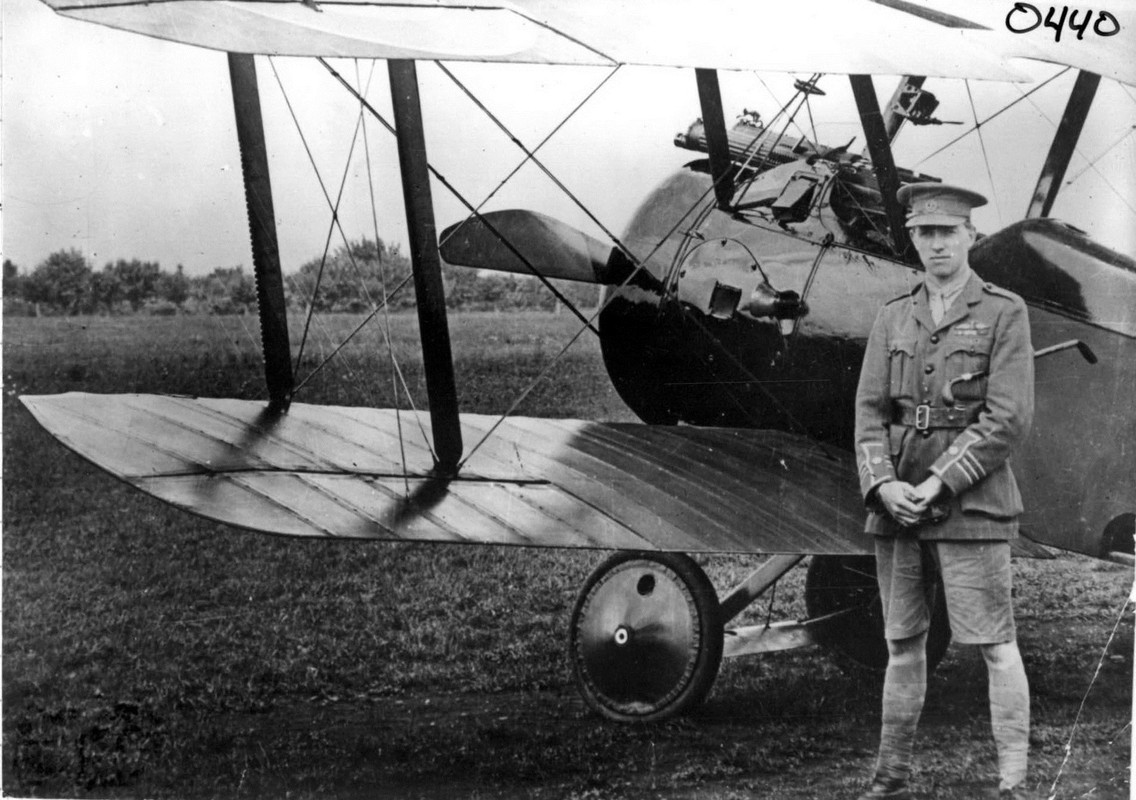
July 1918, Photographer Unknown, Ingenium Collection
Part I
Historical Notes
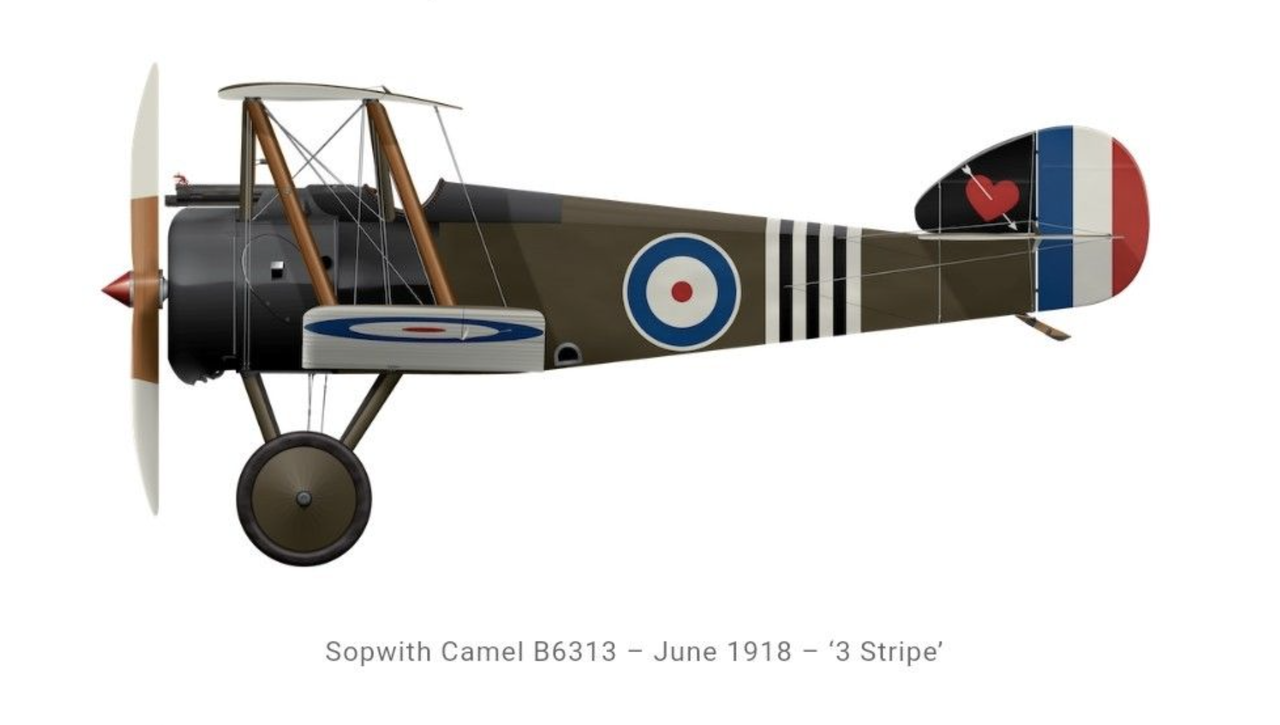
Sopwith Camel B6313
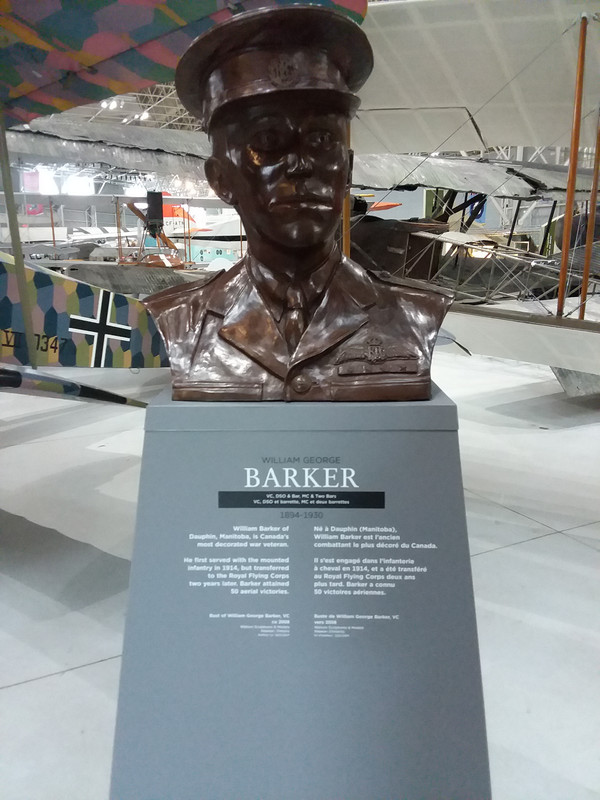
Major WG Barker OC
No.139 Sqn RAF
July 1918
Villaverla, Italy
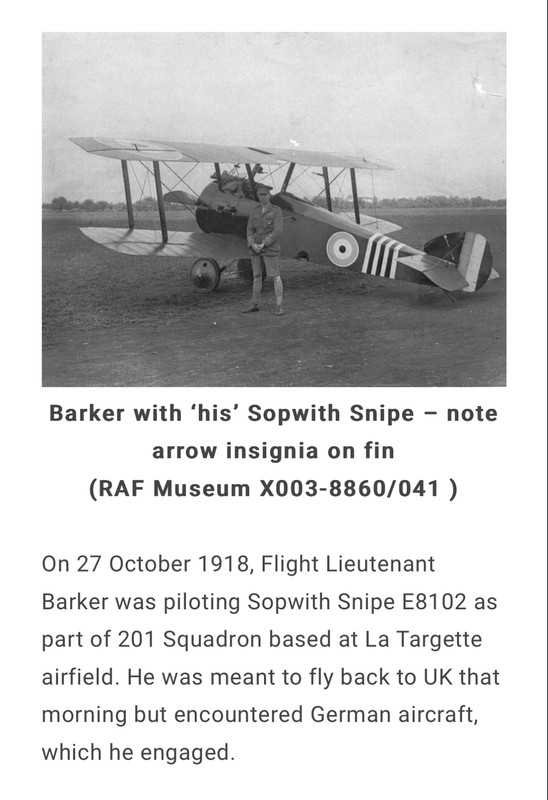
Barker received command of his own squadron on July 14, however No.139 Sqn flew the Bristol F2b Fighter, not the Sopwith Camel. Barker therefore had B6313 transferred to Z Aircraft Park and then assigned to No.139 Sqn. While at No.139 Sqn Barker brought his total victories in Italy to 46.
No.139 Sqn used as its marking a white/black/white band around the rear fuselage. Barker had this placed on his aircraft and then further expanded it to four white and three black bands, the nose and fin were painted black, a red heart pierced by an arrow was painted on the fin.
References
Bowyer, Chaz: Sopwith Camel - King of Combat, Aston Publications, 1988
Sturtivant, Ray & Page, Gordon: The Camel File, Air-Britain, 1993
Part II
Aircraft Details
Visible modifications to make the craft more agile and increase pilot visibility.
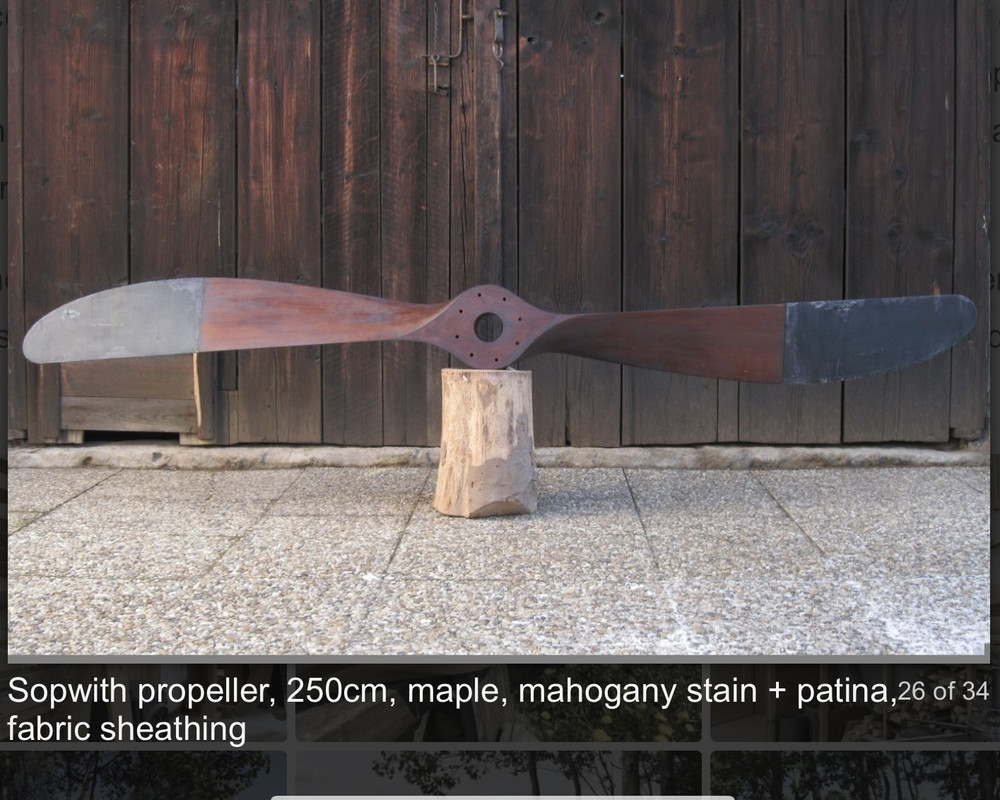
Modern version of a Sopwith Camel propellor
A) Lang propeller with blade sheathing.
Blade sheathing was originally used as a protection of the leading edges. Fabric sheathing was most common. The fabric was glued on the blade using a sticky varnish and painted with black paint. Note in photos this looks gray, must investigate a bit more. The colored fabric was varnished with the whole propeller.
B) An enlarged carburetor air intake, for flying over Alps which was covered in wire mesh to protect the intake from stones typical at Italian airfields at this time.
C) The upper wing center-section had the fabric removed to improve upwards visibility. Note in these photos I don’t see evidence of this modification yet!